01
Raw Material Analysis
Raw meal flow rate, storage time and silo capacity are defined around the cement line.
WORK PROCESS
Raw meal flow rate, storage time and silo capacity are defined around the cement line.
The raw meal silo slipform programme and discharge details are set out in the quotation.
Dust loads, vibration and diameter are calculated specifically for the raw meal silo shell.
Feed, aeration and ladders come together in the raw meal silo design.
Formwork and OHS are planned around production on the cement plant site.
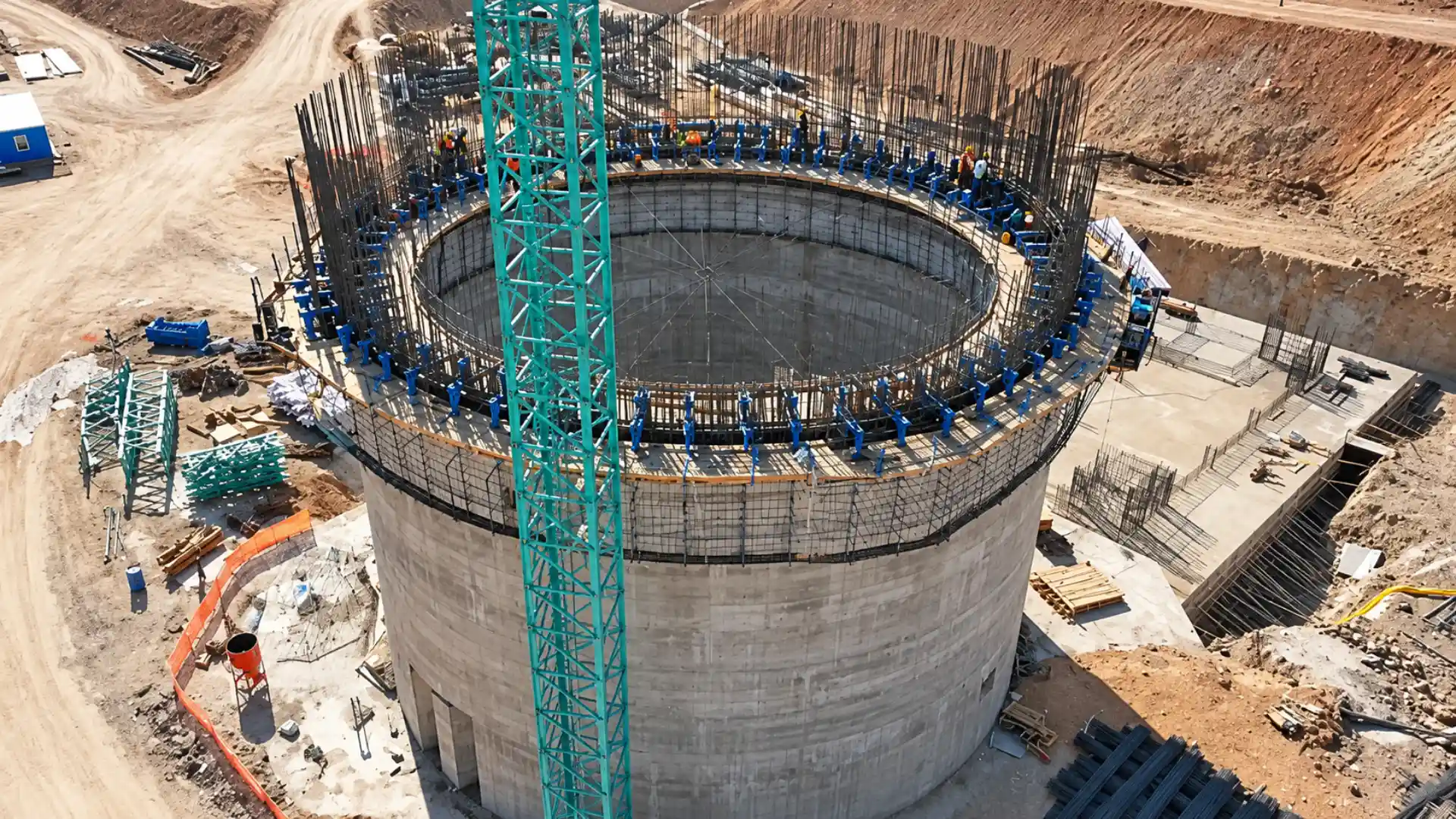
The raw meal silo rises by slipform, and the shell remains monolithic.
The raw meal silo is handed over to the operator with a level and verticality report.
EXECUTION
Raw meal moisture, flow rate and storage time determine the silo diameter. Line shutdowns are discussed during the site survey.

The slipformed raw meal silo, discharge and aeration are resolved in the same drawing set.

At the cement plant, site work windows shift in line with production. A report on the storage shell is provided at handover.
ABOUT THE SERVICE
A raw meal silo is an industrial storage structure that plays a key role in cement production, sitting between raw material preparation and the kiln line. Raw meal, produced by grinding limestone, clay, iron ore and other raw materials according to the raw mix design, is stored under defined process conditions before being fed to the rotary kiln, and is homogenised where required. For this reason, what matters is not only the silo's storage capacity but also its alignment with the plant's continuous production programme.
Because raw meal is a fine-grained material, the silo's reinforced-concrete geometry, discharge arrangement, aeration or fluidisation systems and process connections must be evaluated together at the design stage. Conical sections, outlet openings and equipment supports beneath or inside the silo are directly linked to the reinforced-concrete structure. To ensure that subsequent process installations proceed smoothly, anchorages and embedded items must be formed at the correct levels during concreting.
On tall raw meal silos, slipform construction can be used to raise the reinforced-concrete shell continuously. Once the formwork system has been assembled at the starting level, concrete pouring, reinforcement fixing and the hydraulic movement of the system are carried out in coordination. For the slipform method to work correctly, the concrete setting time and the climbing rate must be monitored continuously.
The trueness of the reinforced-concrete shell is particularly important in raw meal silo construction. As the structure rises, small dimensional deviations can turn into larger geometric problems at the upper levels, so verticality and centre checks must continue throughout the work. Even though the formwork is moved hydraulically, the operation still requires continuous surveying and site control.
On raw meal silo projects, Rayf Teknik draws up the work programme with the structure's role in the cement production line in mind. The positions of raw meal feed systems from the raw mill, silo top equipment, filter connections, elevators or conveying lines and bottom discharge equipment are all assessed in coordination with the structural works.
A slipform system establishes a steady production process, particularly for raw meal silo walls whose cross-section remains largely constant. However, beams, openings or special geometries at different levels within the silo must be included in the work programme in advance, so that reinforced-concrete details can be completed at the correct levels as the system climbs.
The successful completion of a raw meal silo is not measured simply by placing concrete. The structure must accommodate the process equipment correctly, suit the operating conditions of the stored material and allow subsequent mechanical installation to proceed without difficulty. Rayf Teknik's experience in raw meal silos and slipforming offers an approach that addresses reinforced-concrete construction and the cement plant's process requirements within a single project.
TECHNICAL SPECIFICATIONS
Raw meal silo capacity, dust loads and discharge details are engineered around the cement line. The values below are typical production ranges.
TECHNICAL ADVANTAGES
In a raw meal silo, continuous pouring, dust tightness and line continuity are addressed together.
The raw meal silo keeps the line supplied without interruption; capacity is confirmed during the site survey.
01
The raw meal silo keeps the line supplied without interruption; capacity is confirmed during the site survey.
SERVICE GALLERY
OTHER SERVICES
 View Details ↗
Konya Çimento / Topkapı Şişe Cam
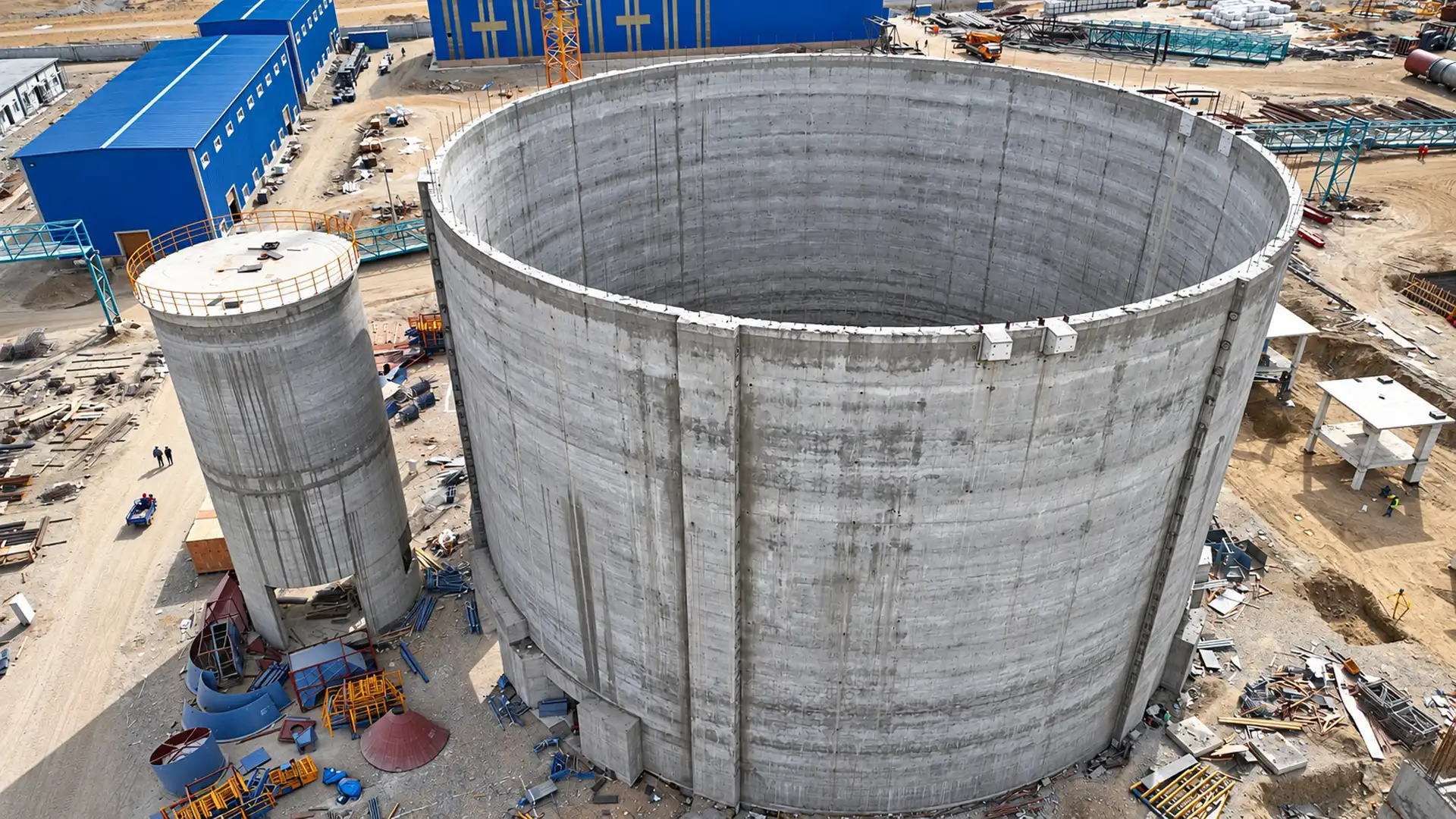
Reinforced-concrete silos are designed to store large volumes of bulk materials. Product loads, the discharge system and process connections define the geometry of the shell.
 View Details ↗
Cement production and storage line
A cement silo is a high-capacity structure in which the finished product is stored safely before packing or bulk dispatch. Different cement grades can be kept in separate compartments.
 View Details ↗
Cement clinker storage line
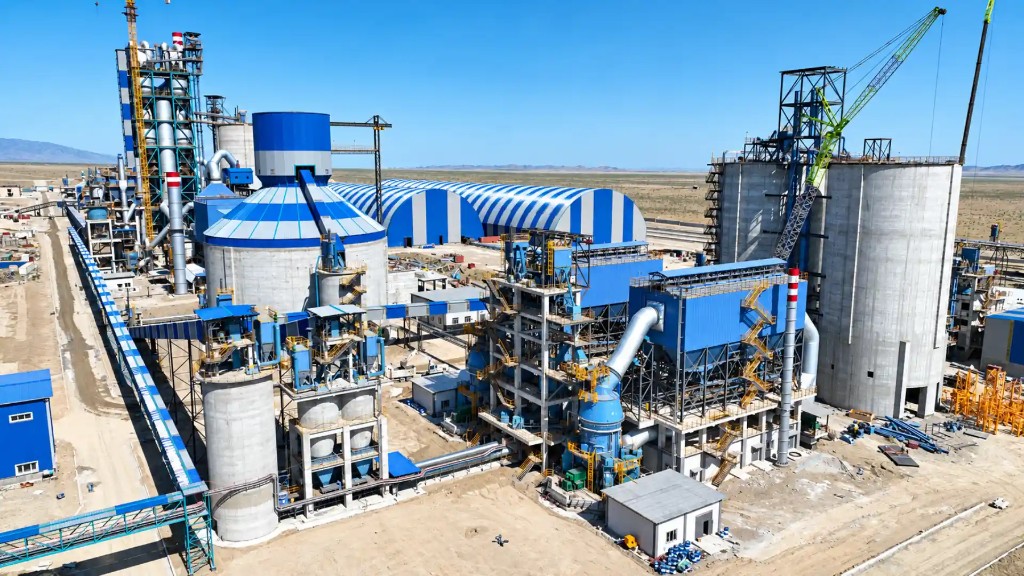
A clinker silo is a high-capacity structure that stores clinker safely between cooling and grinding. Structural, abrasion and process loads are resolved together.
 View Details ↗
Ilgın / Konya — cement plant
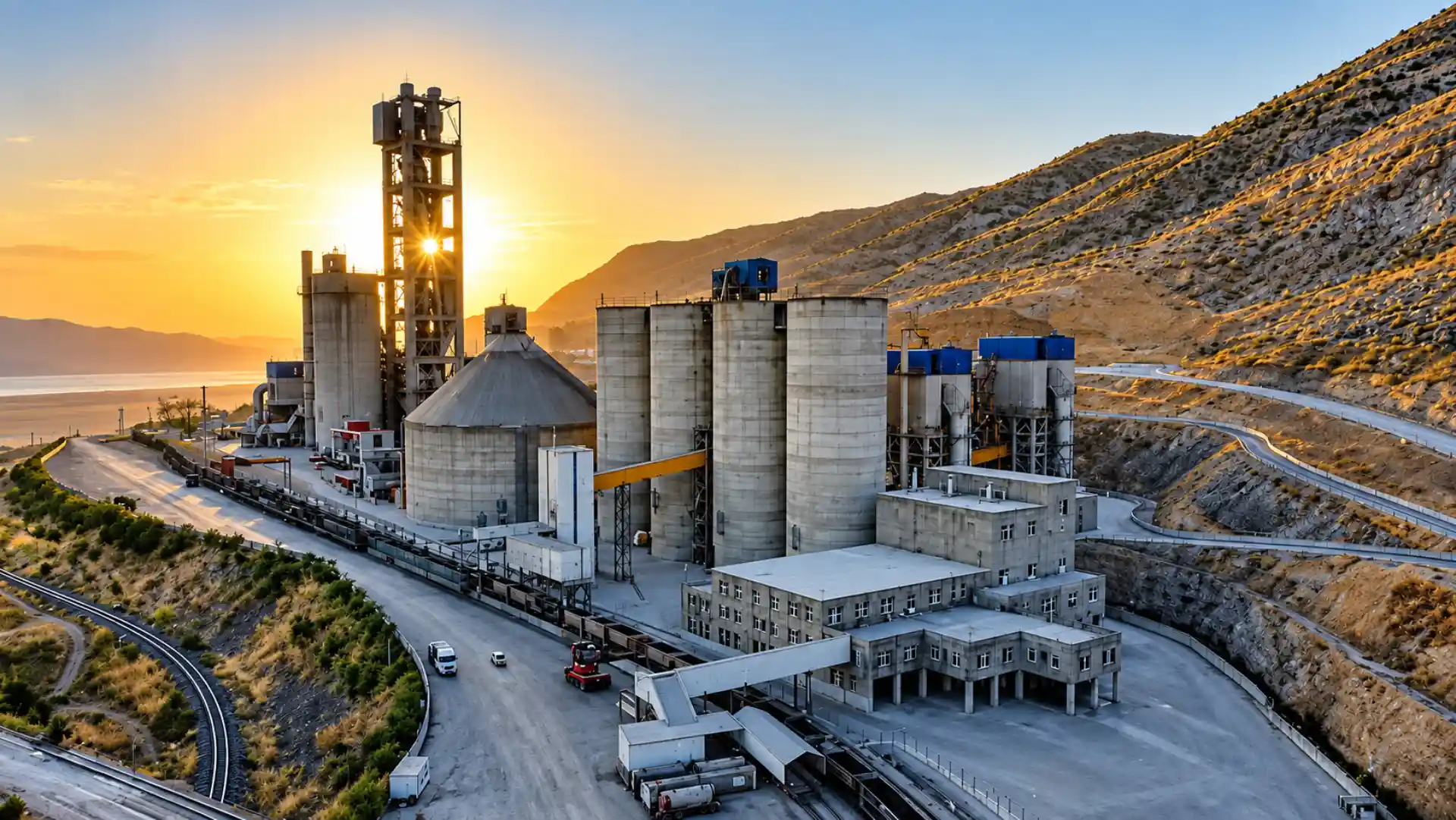
Silo slipforming allows tall reinforced-concrete silos to be built in one continuous pour. Concreting, reinforcement fixing and hydraulic lifting advance together in a single coordinated production cycle.
RAW MEAL SUPPORT
Our technical team will contact you to arrange a site survey for cement raw material storage and raw meal silos.
Information & FAQ
Raw meal silo capacity, slipforming and integration with the cement line.
A raw meal silo is a tall reinforced-concrete store in which ground raw material is held during cement production. It acts as a buffer between the raw grinding line and the kiln feed, and its capacity, flow rate and discharge are sized accordingly. The shell is usually raised by slipform, because raw meal silos have tall, continuous wall geometry. Dust loads, aeration and feed points are marked during the site survey. At handover, verticality, levels and storage connections are passed to the operator.
Because raw meal powder behaves like a fluid, aeration nozzles set at the wrong levels cause splashing material to cake on the wall. Nozzle positions are therefore included in the slipform climbing schedule, and the filter seating is connected without clashing with the steelwork.
On a tall raw meal shell, stripping formwork at every level adds both time and joint risk. Slipforming makes it possible to cast the wall in one piece through controlled climbing governed by concrete setting. A dusty, heavy stored load does not tolerate weak interfaces, which is why continuous pouring is an advantage. In a 24-hour programme, reinforcement, concrete and hydraulics advance at the same pace. Site OHS is established together with platforms and access, and frequent crane-handled stripping and re-erection is reduced.
A 24-hour pace does not ignore vibration from the grinding line. When a neighbouring unit is running, the balance of the form is measured more frequently. OHS adds dust masks and platform cleaning to the shift handover checklist.
Yes, provided production shutdowns and site work windows are planned together with the plant operator. The existing line, truck routes and dusty zones are mapped during the site survey. Slipform installation is sequenced so as not to disrupt neighbouring units. Embedded plates and process penetrations are placed during climbing. OHS, dust and crane corridors are part of every daily shift. At handover, the new shell is connected to the existing storage line in a controlled manner.
If an existing truck route crosses the formwork area, a temporary route is opened. This is not a “minor detail”: it prevents interruptions to concreting. No road is closed without the operator's approval.
A raw meal silo is usually considered together with the other members of the reinforced-concrete silo family: clinker and cement silos, slipforming and, where necessary, refurbishment. The silo sequence is tied to the grinding and kiln schedule. Steel ladders, platforms and discharge equipment are resolved in the same drawings as the shell levels. Shared logistics, concrete supply and OHS are brought together under a single site approach.
Raw meal, clinker and cement silos do not all require the same concrete class. Differences in stored material chemistry and abrasion are reflected in the cross-section. Even where formwork equipment is shared, panel settings may vary from cell to cell.