1996
Where our work on site began
About Us
In 2017, we carried the experience we had built since 1996 into a stronger corporate structure as Rayf Teknik. Our slipform R&D, focused on occupational safety and operational efficiency, has cut assembly and dismantling times by up to 50%. Today, we bring technical expertise and a solution-driven approach to high-standard engineering and site work for the cement, aluminium, glass and energy sectors.
Where our work on site began
A stronger corporate structure under Rayf Teknik
Of experience in slipform manufacturing, application and industrial solutions
Slipform systems, steel and hydraulic formwork, industrial chimneys, structural steel, dome and minaret construction, overhead and gantry cranes, and silo post-tensioning systems
1996 · THE JOURNEY BEGINS
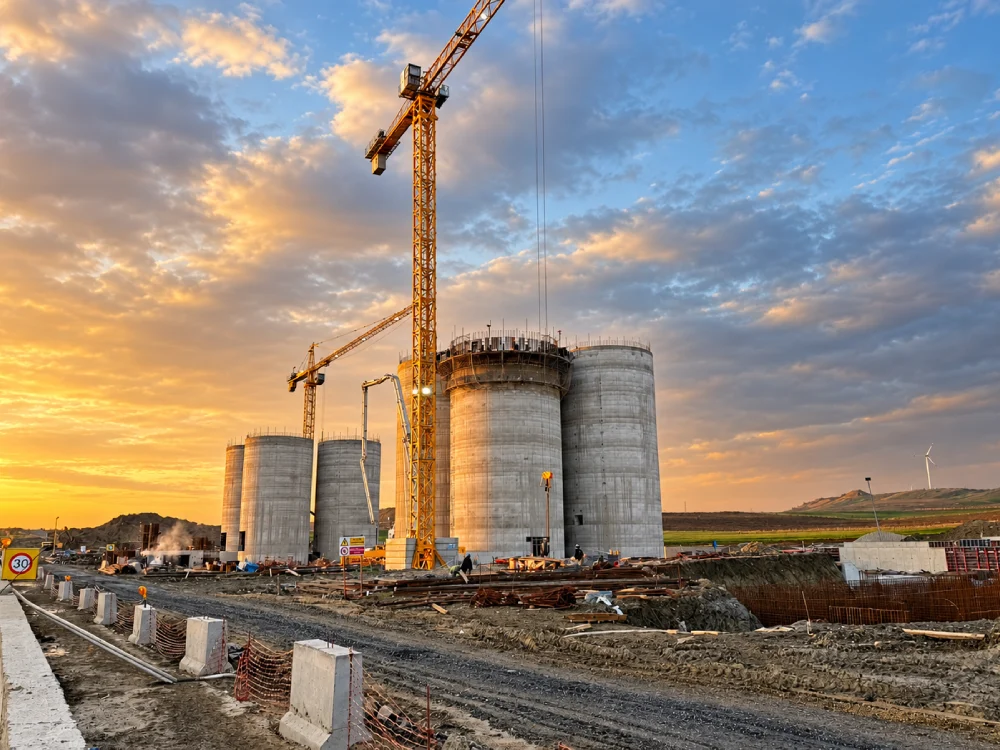
Our journey began in 1996 and grew with the experience we gained on site. By understanding what industrial structures really need, we laid the foundations of our engineering expertise.
An engineering approach that understands needs on site.
Experience and working discipline gained in the field.
Technical planning aligned with the structure and project requirements.
Services
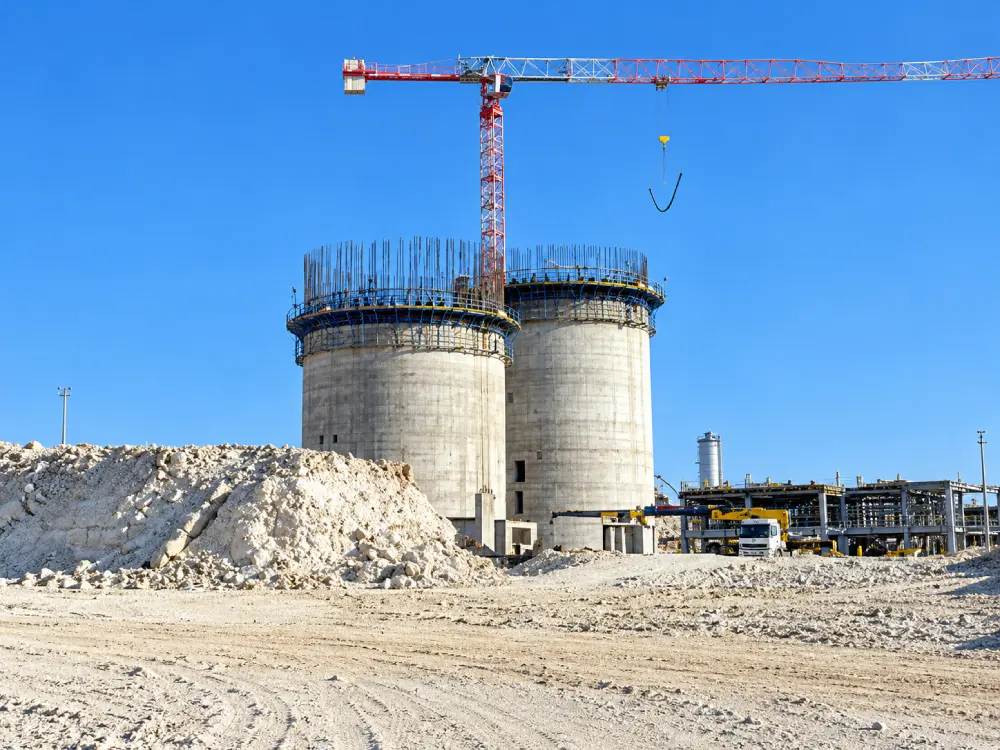
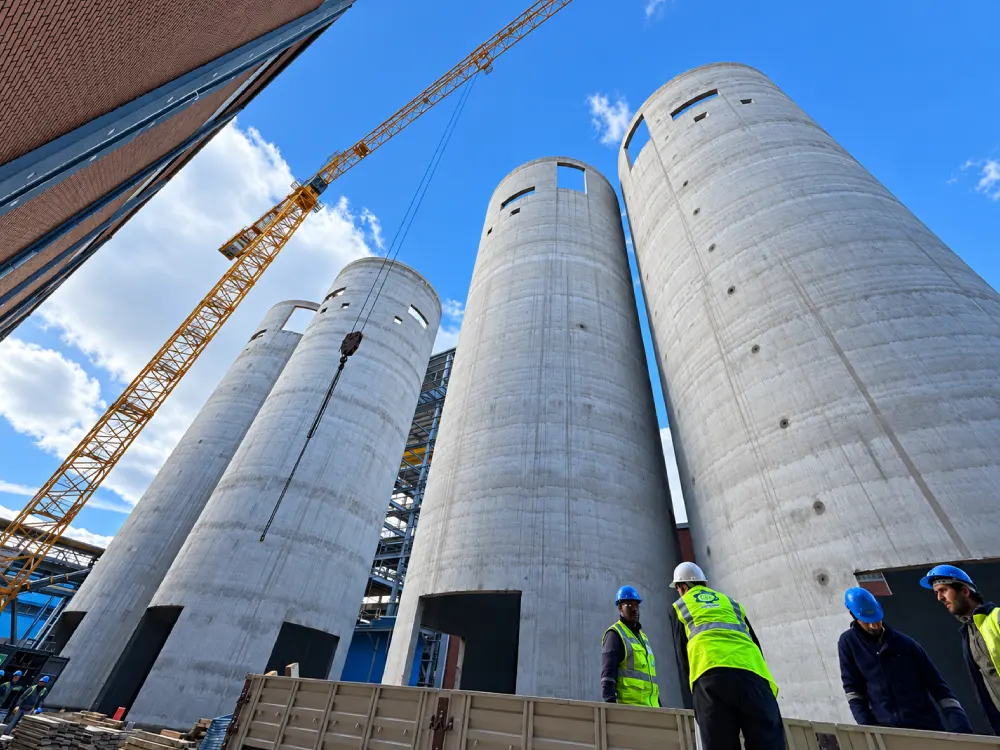
Slipform allows tall reinforced-concrete structures to be built with a continuous, controlled concrete-placement method. Concrete placement, reinforcement fixing and hydraulic lifting of the formwork all proceed simultaneously in one continuous production cycle.
View Details↗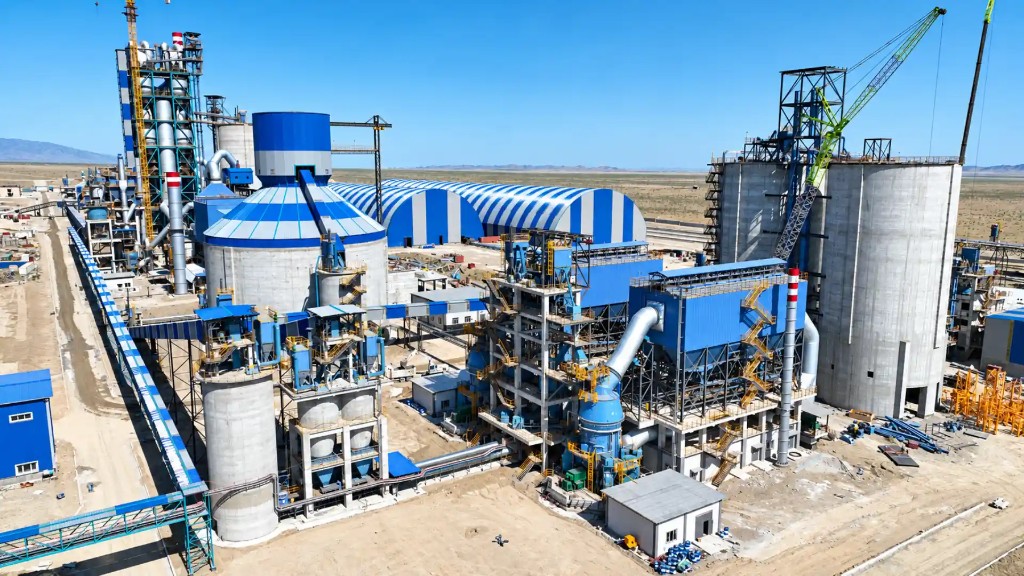
We manufacture and operate slipform systems not only for circular silos but also for tall structures of other geometries. Buy a slipform system tailored to your project together with our technical support — or leave the entire site application to us.
View Details↗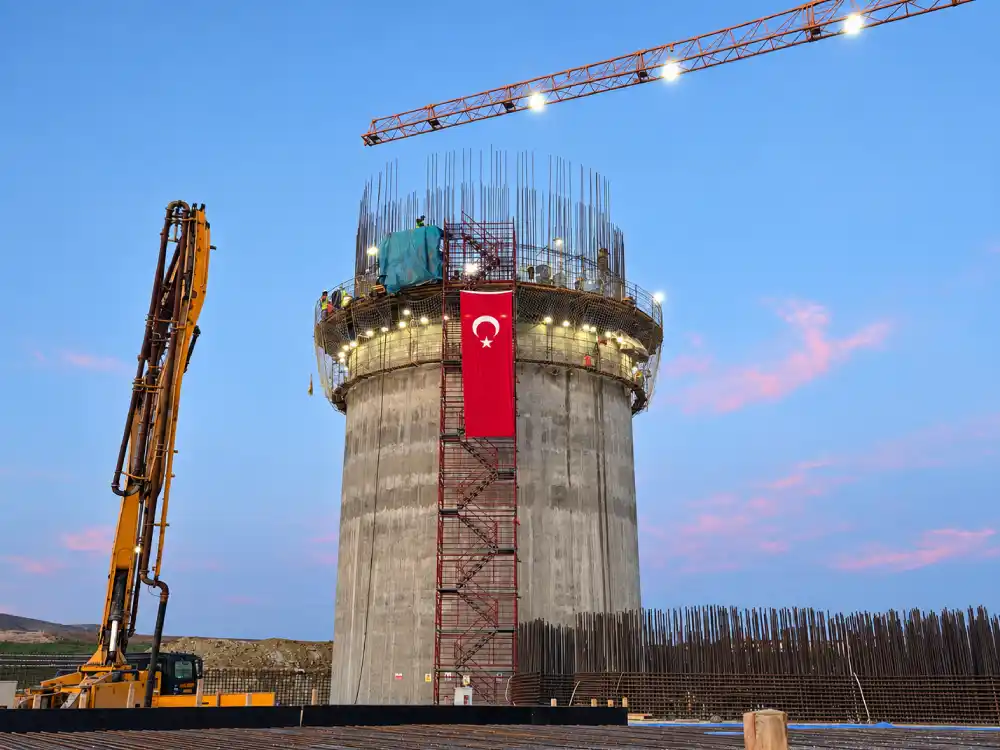
On industrial chimneys, we combine slipform construction with steel fabrication and erection. Maintenance platforms, chimney ladders and protective coating renewal are planned and carried out with occupational safety, quality control and site coordination at the forefront.
View Details↗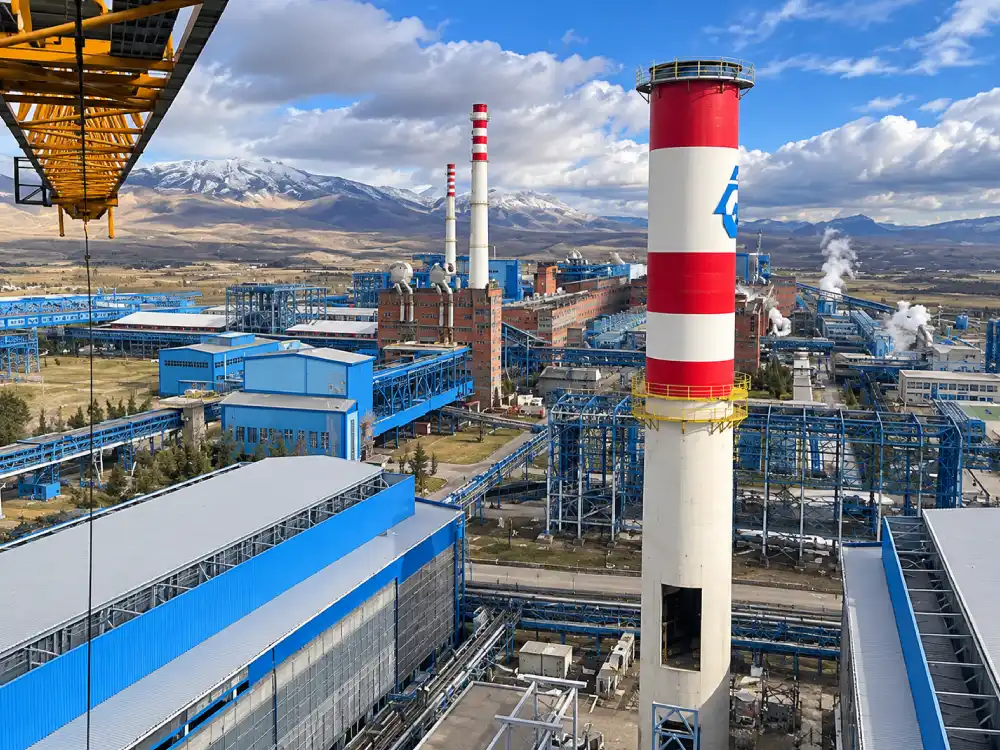
We design and manufacture modular steel formwork systems for the varied geometries and requirements of general construction projects, and project-specific hydraulic formwork systems for metro tunnels, silos and other structures that demand specialist engineering. High manufacturing standards, on-site application, site experience and project-specific solutions allow us to deliver reliable, durable and efficient formwork for every structure.
View Details↗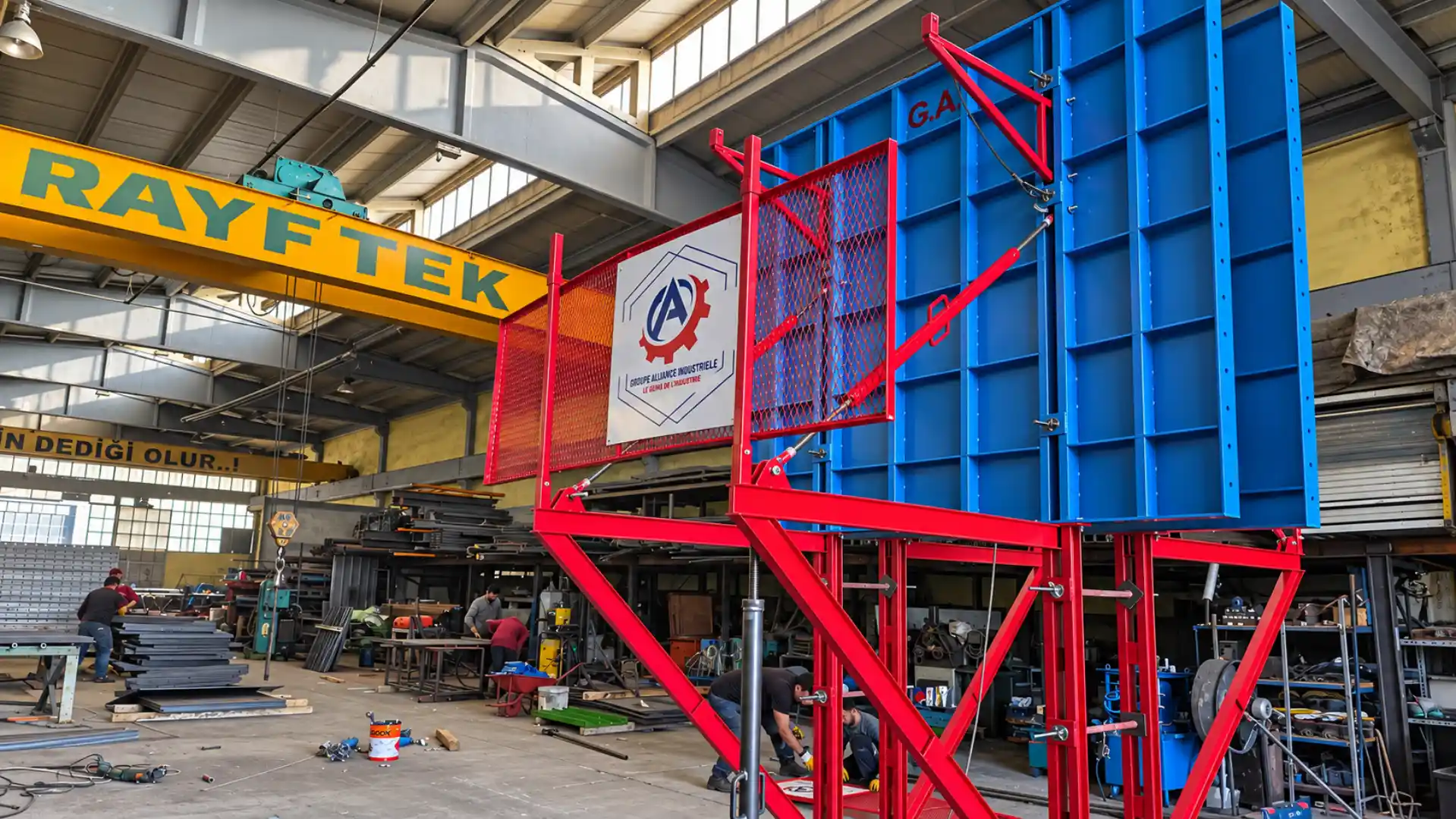
Global Footprint
Headquartered in Konya, we work on sites in Türkiye, Iraq, Ukraine, Bangladesh, Algeria, Libya, Uzbekistan and Turkmenistan, bringing the same engineering discipline to every one of them.
Information & FAQ
Answers about our services, slipform technology, its advantages, applications and differences from climbing formwork.
Rayf Teknik provides engineering, manufacturing and on-site installation services for slipform systems, reinforced concrete silos, industrial chimneys, structural steel and custom formwork systems.
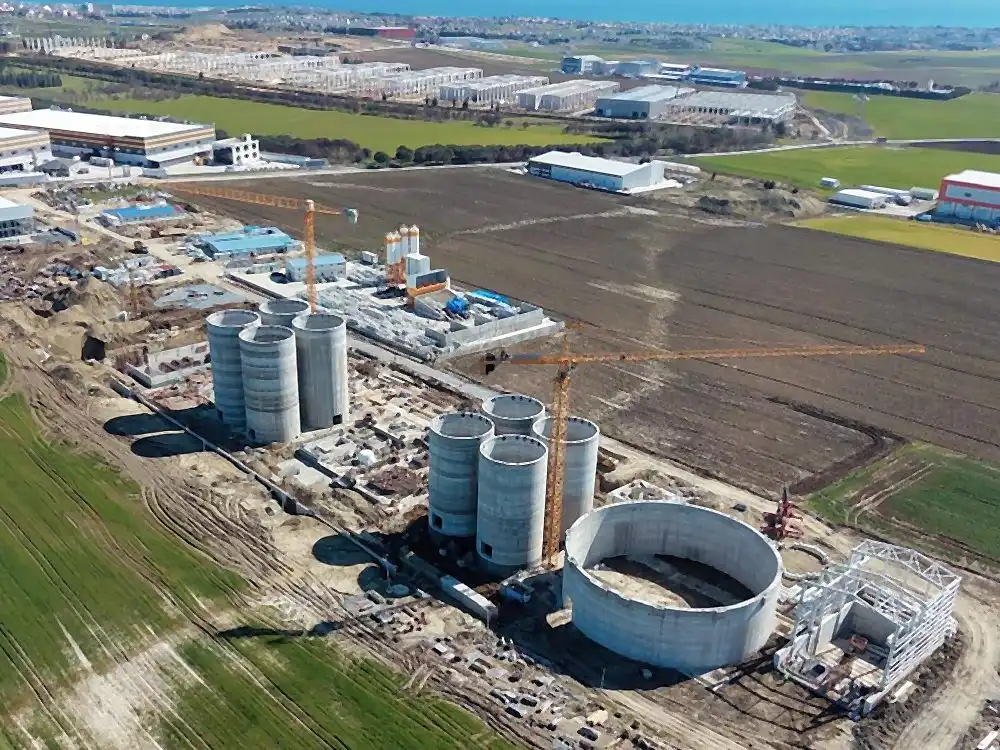
Our work includes raw meal, cement, clinker, grain and lime silos; bridge and viaduct piers; wastewater treatment structures; minarets and domes; overhead and gantry cranes; and project-specific industrial applications.
We select the system, equipment and execution method according to each project's geometry, programme and site conditions. You can review completed work on our Projects page.
Slipform is a continuously moving formwork method used for tall reinforced-concrete structures such as silos, industrial chimneys, towers, and bridge or viaduct piers.
Hydraulic lifting equipment raises the formwork at a controlled rate while reinforcement work and concrete placement continue according to the construction programme. Continuous placement significantly reduces the risk of cold joints and creates a monolithic concrete structure.
Slipform is not limited to circular structures. Project-specific engineering allows it to be used for square, rectangular, polygonal, prismatic and other custom geometries.
Both systems are used for tall reinforced-concrete structures, but they progress differently.
Slipform rises continuously using hydraulic equipment, allowing concrete placement to proceed without interruption. This provides a major programme advantage for silos, chimneys, towers and similar structures.
Climbing formwork advances in stages. After each concrete lift reaches the required strength, the formwork is moved to the next level and reinstalled. The correct method depends on the structure's geometry, concrete design, programme and site requirements.
Slipform enables tall reinforced-concrete structures to be built quickly and under controlled conditions. Because the formwork rises without being dismantled and rebuilt at every level, it can provide a significant time advantage on large industrial projects.
Continuous concrete placement reduces cold-joint risk and helps create a monolithic structure. Other advantages include high production rates, less repetitive formwork labour, adaptability to different geometries and efficient work at height.
Where technically suitable, equipment can be modified for later projects. We can also provide supervision for clients who purchase a system and carry out the site application with their own team.
Slipform can be used wherever height, repetitive geometry and continuous concrete walls are central to the design. Typical applications include:
Systems can be engineered for cylindrical, square, rectangular, polygonal and other project-specific geometries.